
What I paused for — What we almost missed
Every morning I run the same suburban trails — not wilderness, but a more contemporary wild.
These paintings begin there.
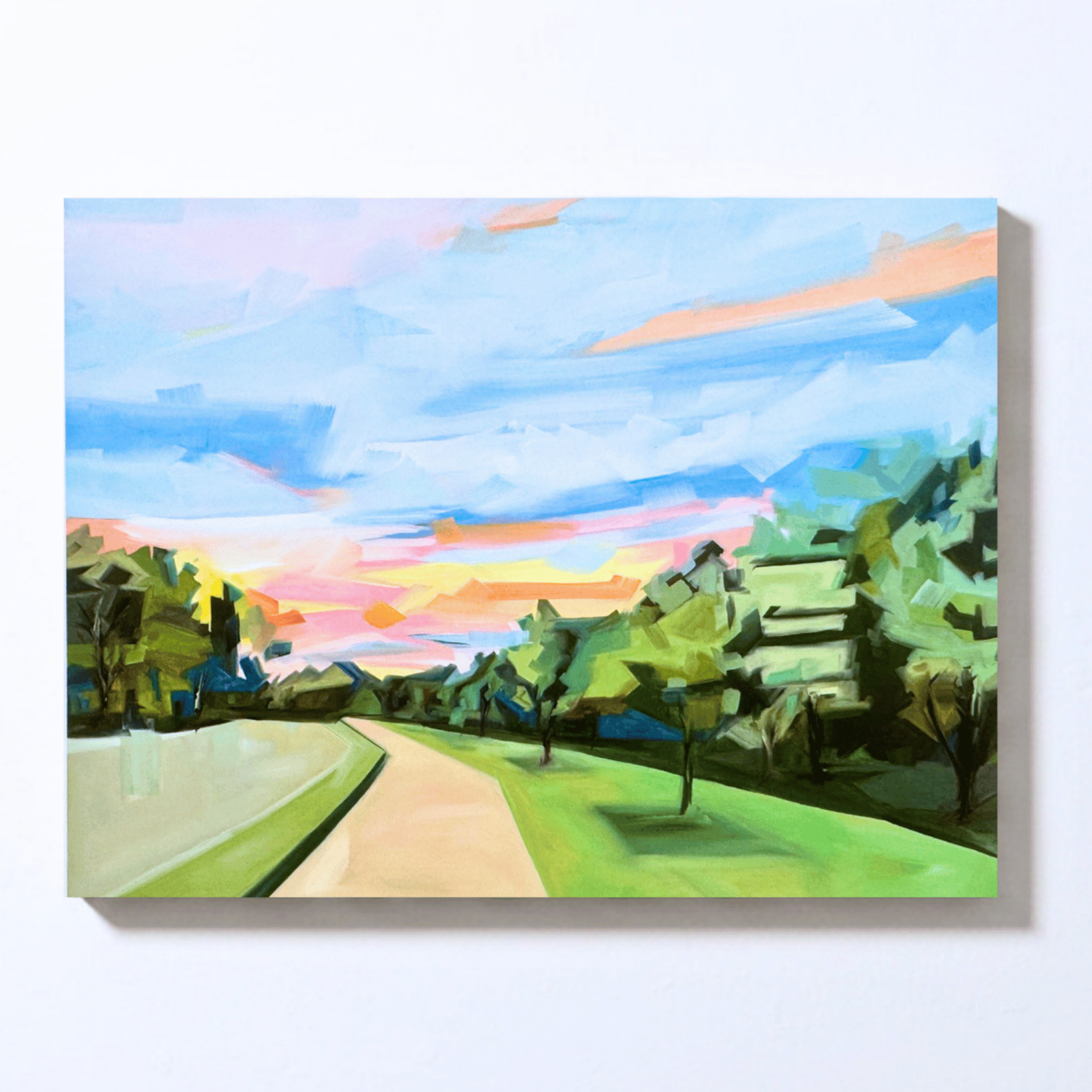

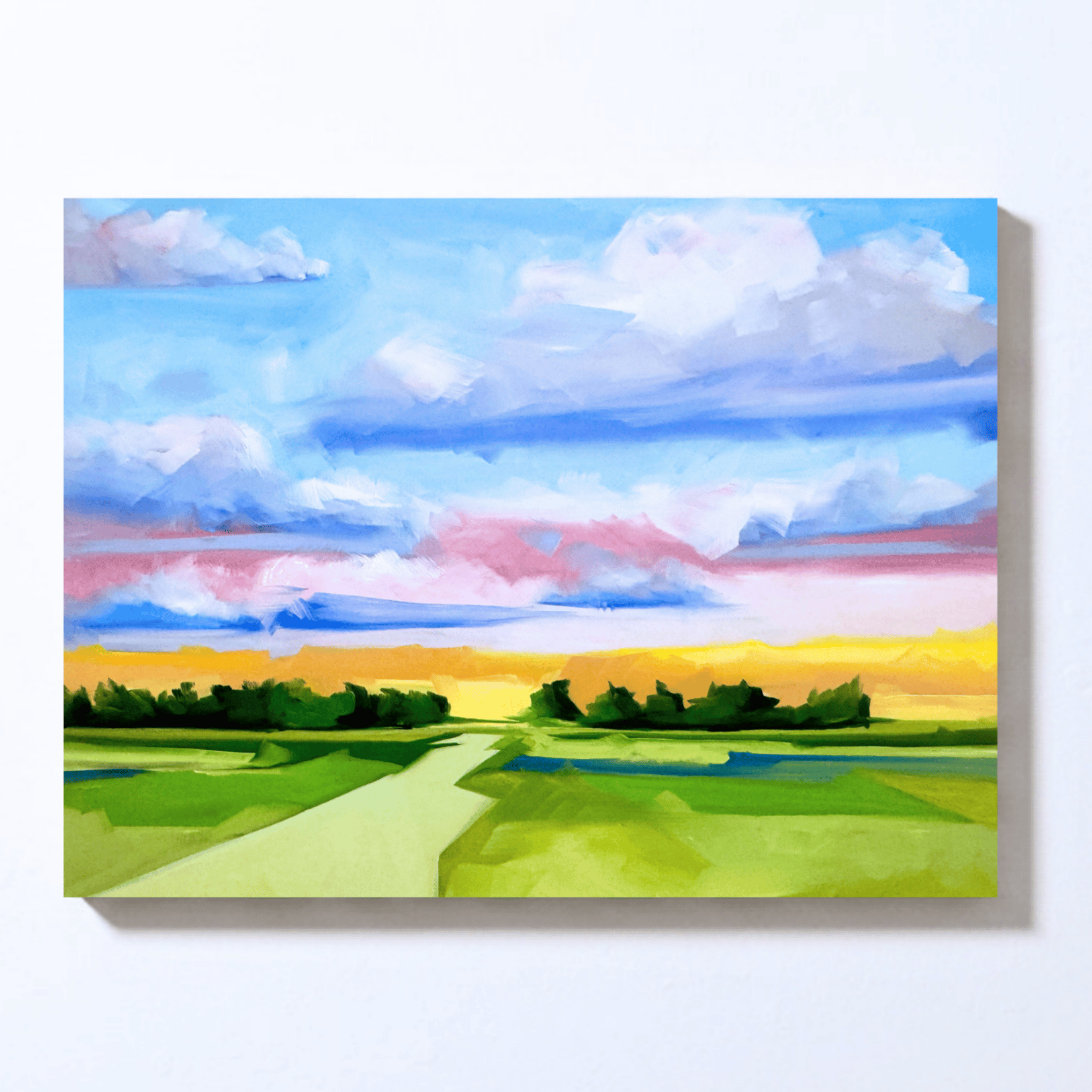
Painters have always pushed back against the constructed image of their era.
The Impressionists walked outside to resist the Academic ideal — standing in actual light, painting what the eye encounters before the mind composes it into something false.
Upon its invention, the photograph promised an objective record, the world exactly as it was.
But a photograph is never neutral.
The Abstract Expressionists insisted the mark itself was the only honest image —
pigment moved by a human hand in real time cannot lie the way a fabricated picture can.
Now the dominant image is AI —
not a selected truth but a hallucination, generated at industrial speed, indistinguishable from the real.
This work is a response to that.
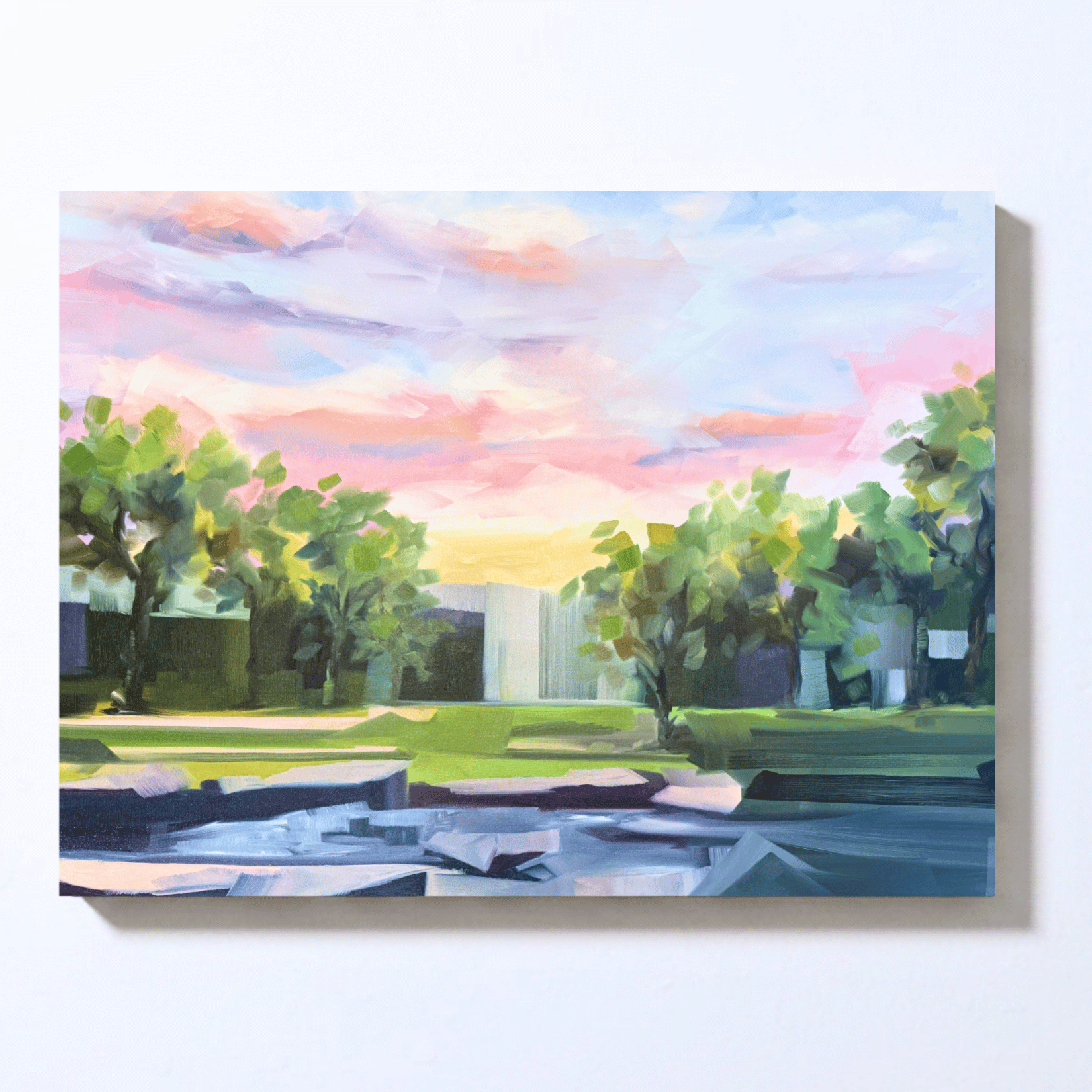
From observation comes photography, then AI mediation not to generate but to dissolve —
until something closer to raw perception remains.
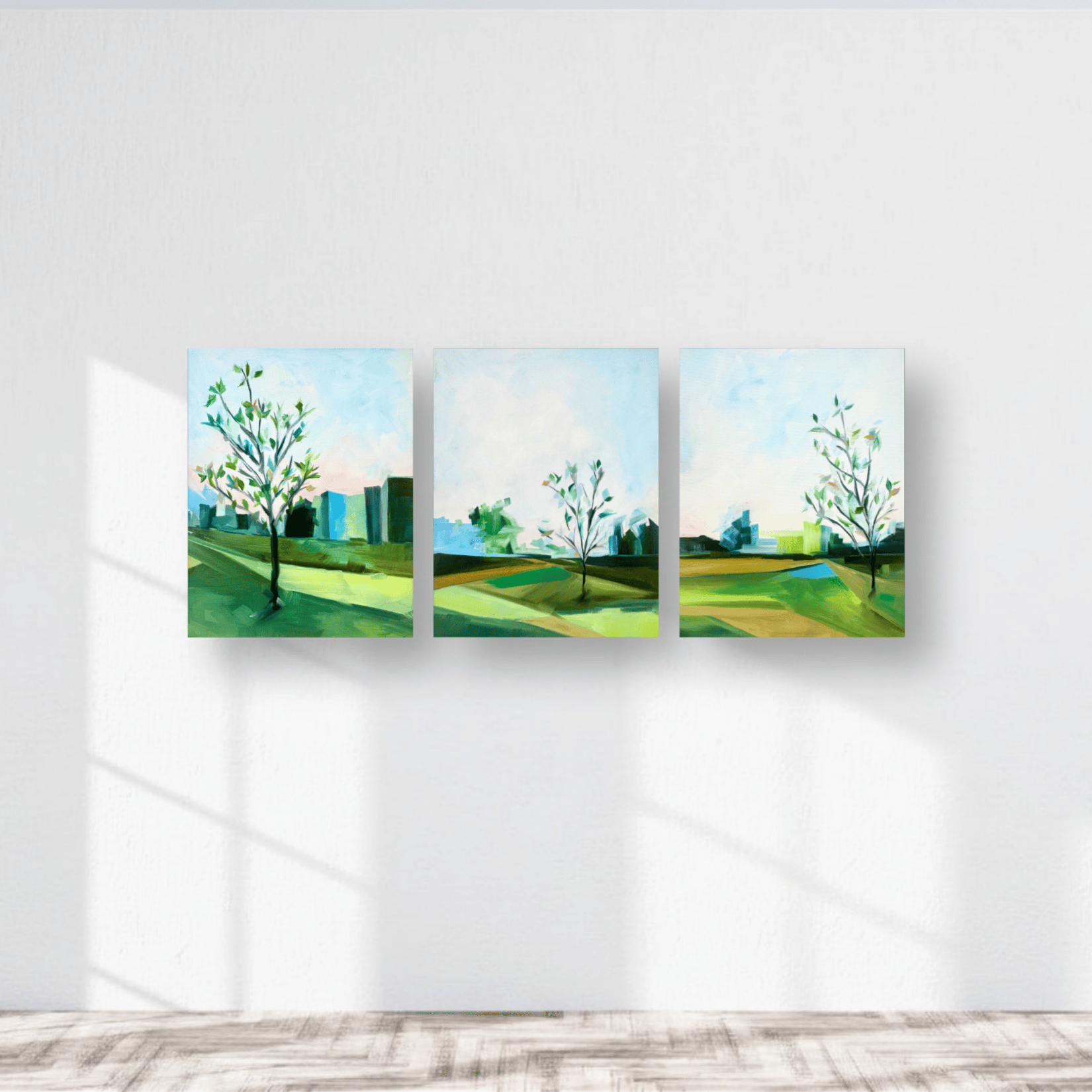
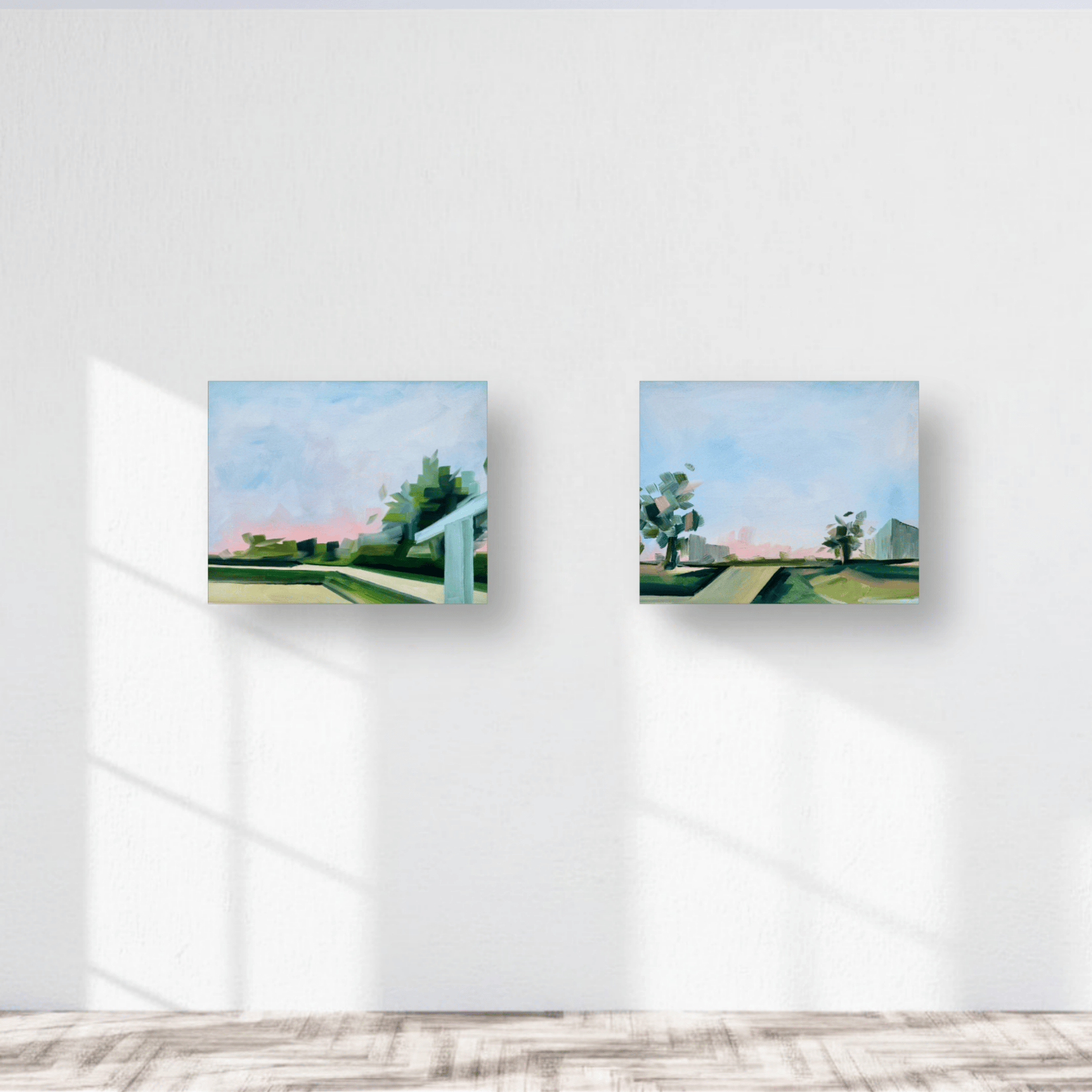
The run. The light. The people I love. The mark holds all of it.
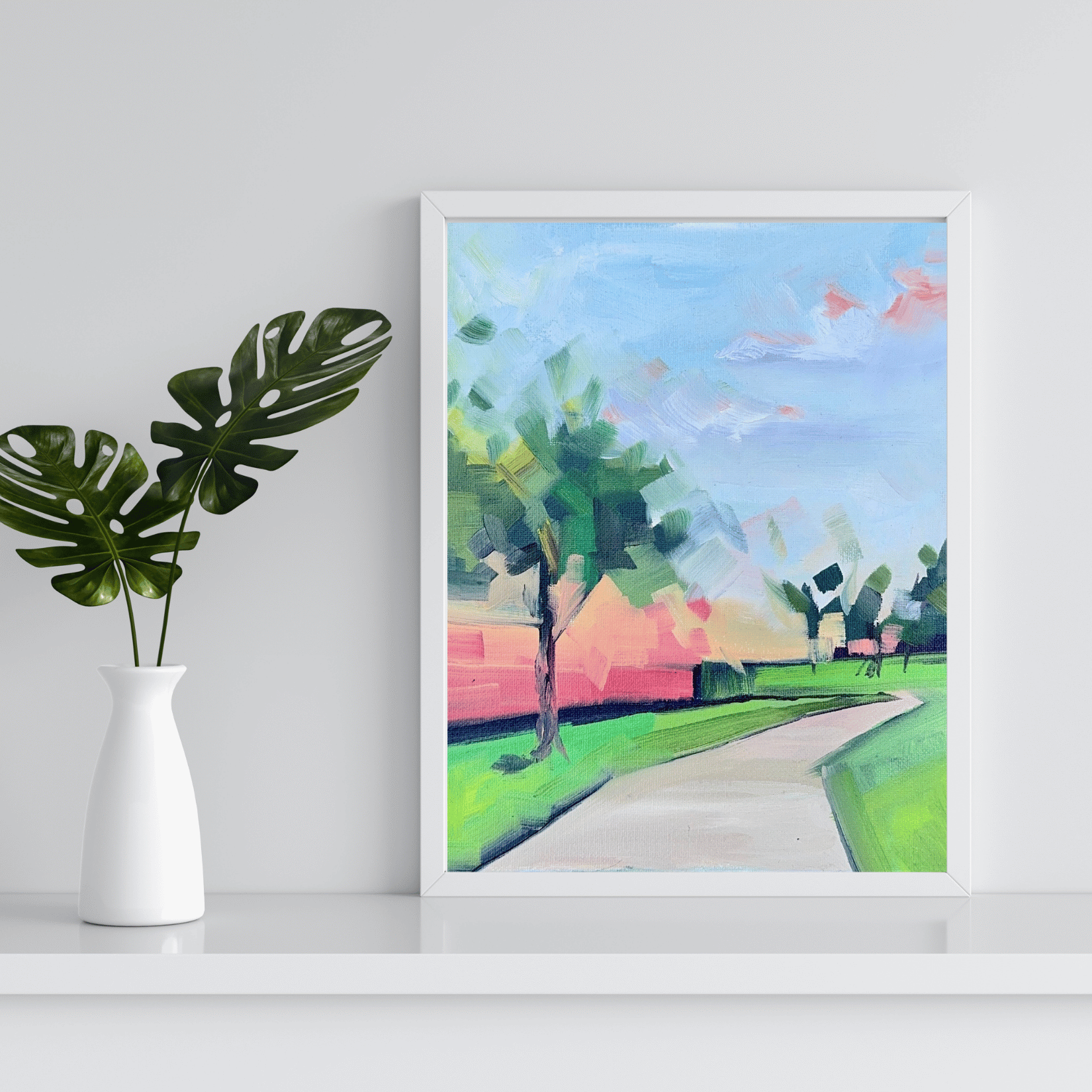
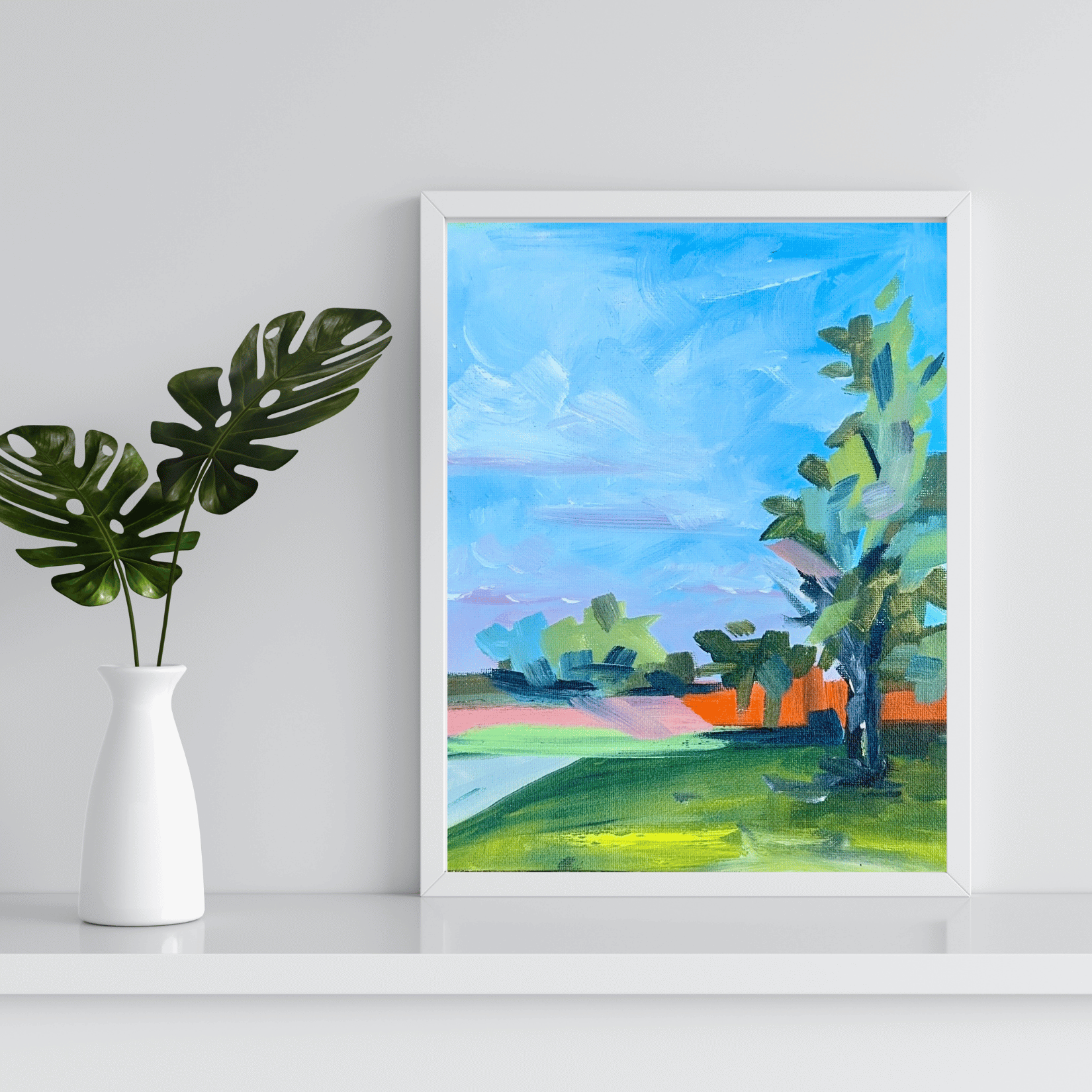
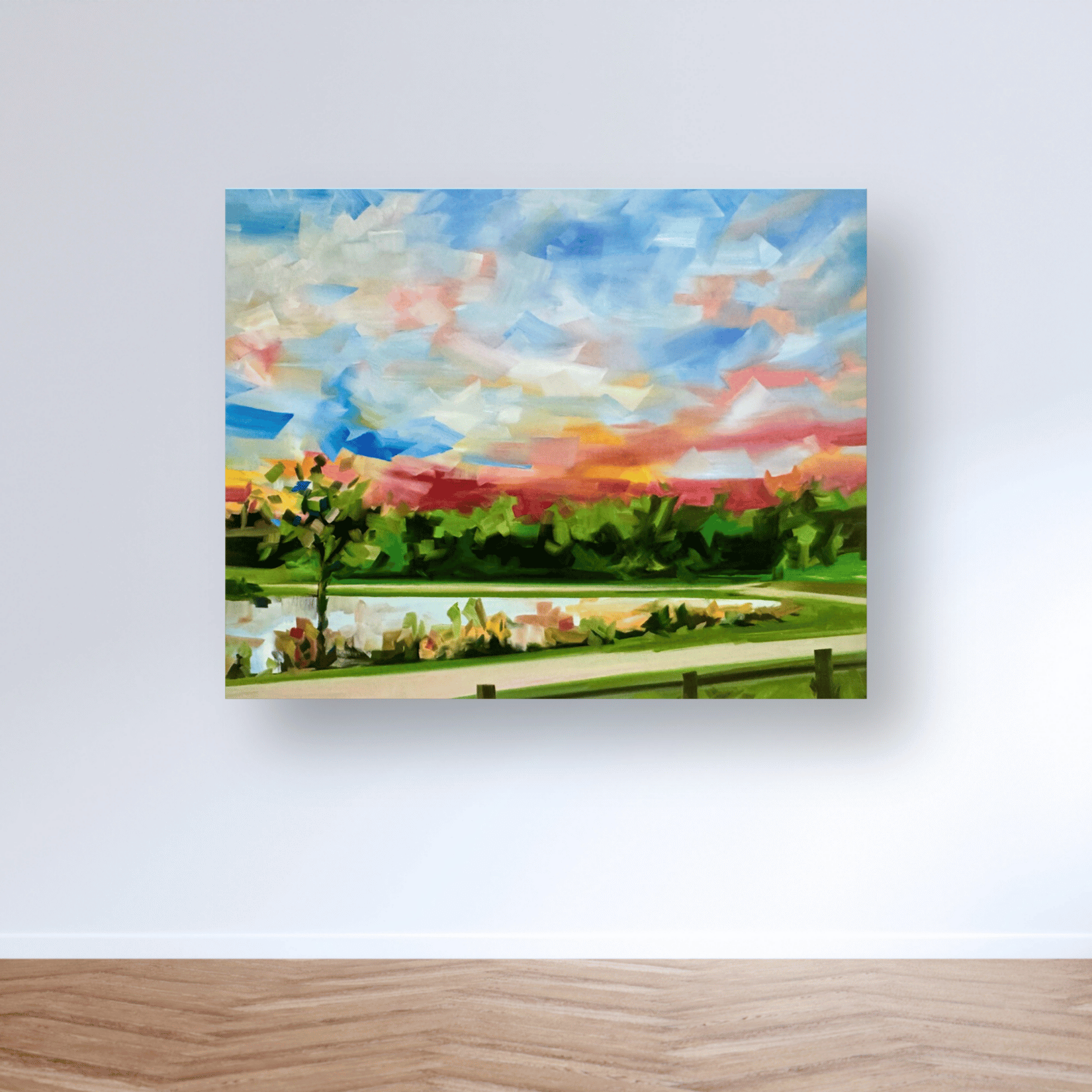
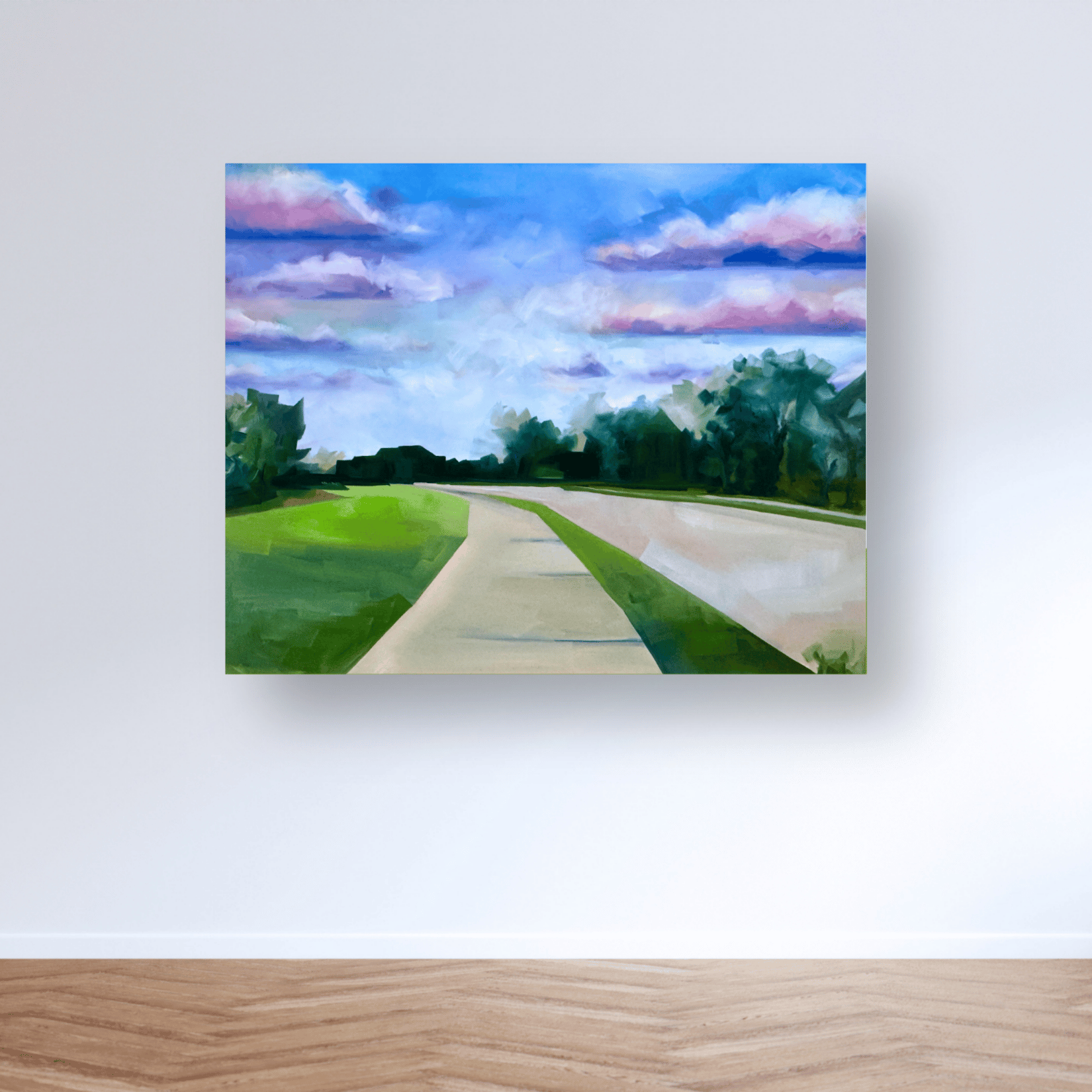
The paint holds the feeling of being present in that light, on that morning, in that body.
Each title is a fragment of interior life — the people I love, woven into the work without ever appearing in it.
I'm not leaving and will be right back: That moment each day near our home
It went quiet for a while and then I could hear you again: Walking between the cottonwoods
I'll wait for you: Spirit Park again and again
On that corner where I always think of you first
When I stayed and didn't want you to go
Wouldn't it be something to stay right here with you

To paint slowly is to insist on being here. The mark is resistance.
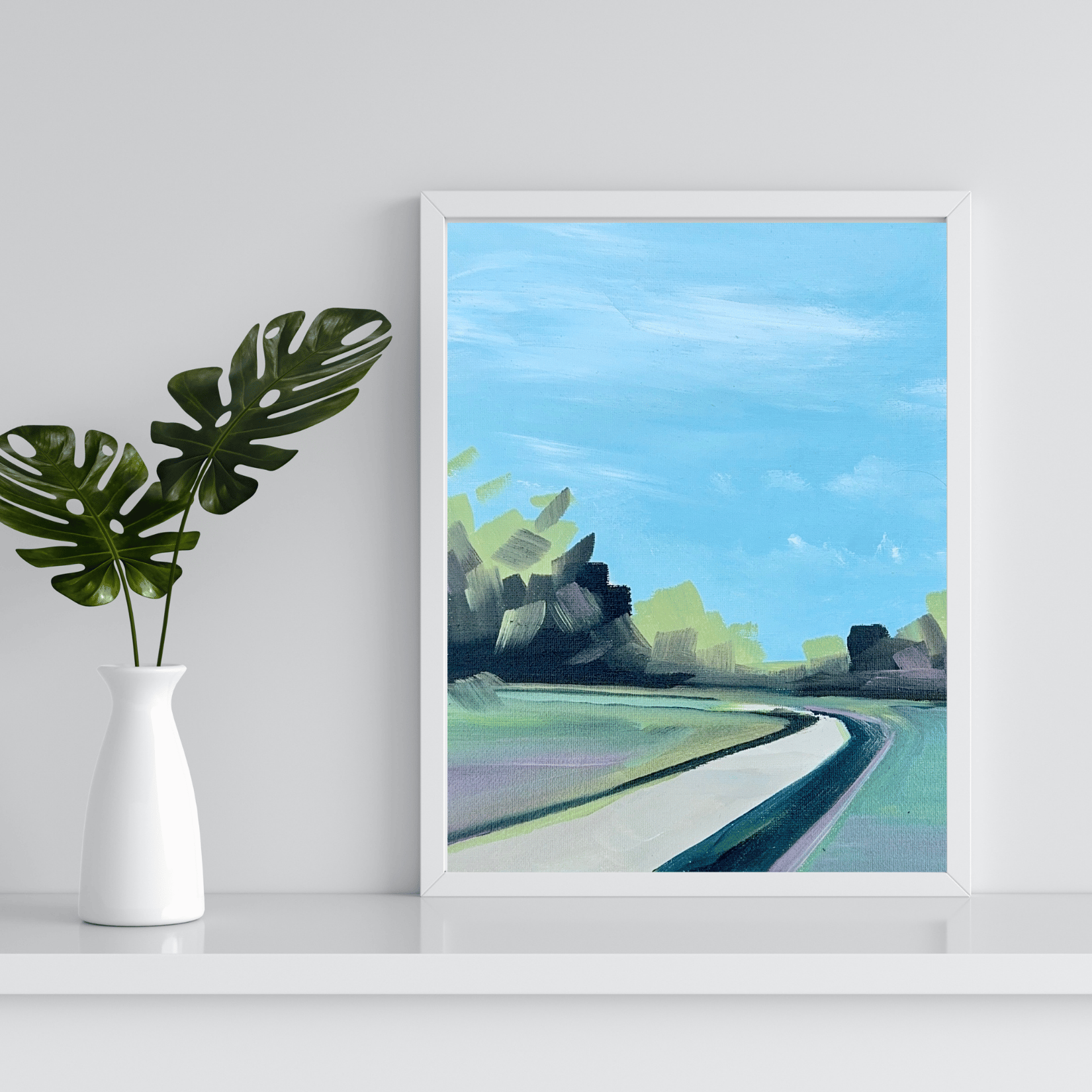
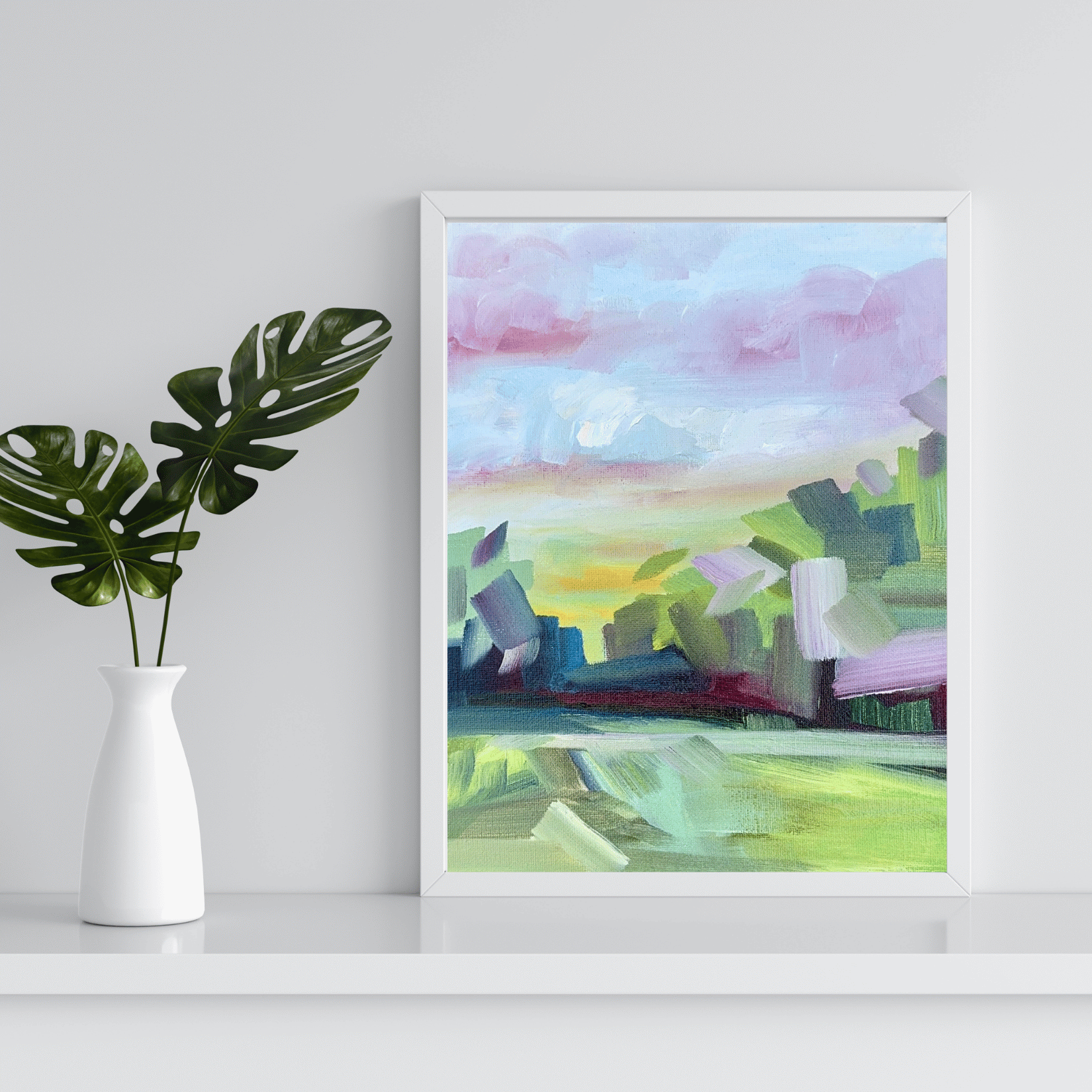

What I Paused For, What We Almost Missed — Slowness as Resistance